
See How the 2026 Mitsubishi RVR Stacks Up Against the Hyundai Venue!
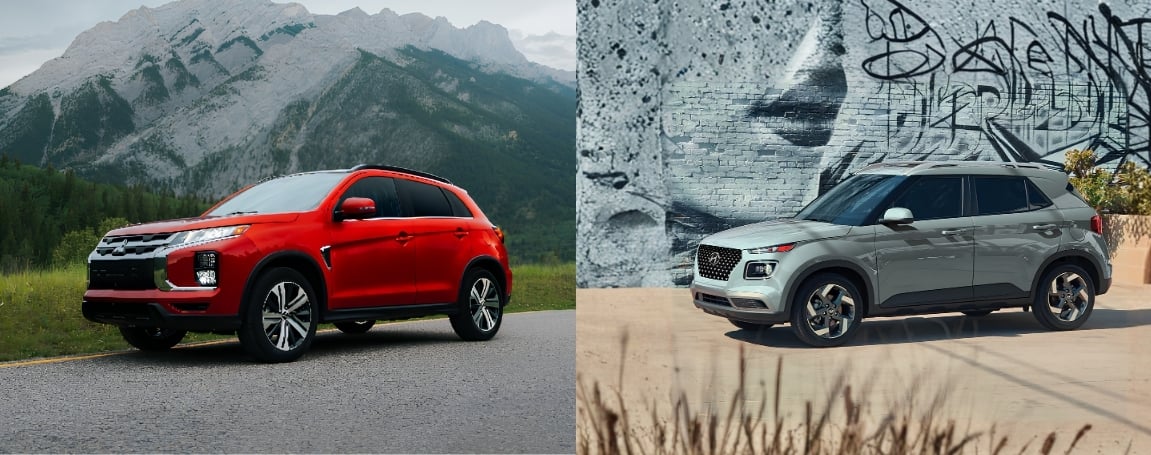
Mitsubishi and Hyundai have spent years building vehicles that Canadians can depend on. The Mitsubishi RVR has earned a loyal following thanks to its practical SUV design, versatile interior, and proven reliability. The Hyundai Venue has also become popular for its modern styling, compact size, and everyday affordability. Both vehicles are designed to make daily driving easier, but they approach the compact SUV segment in different ways. For drivers in Charlottetown and across Prince Edward Island, choosing the right SUV often means finding the right balance of comfort, capability, efficiency, and value. Whether you are commuting through town, heading to the Confederation Trail, or planning a weekend getaway along the coast, both the 2026 Mitsubishi RVR and 2026 Hyundai Venue offer plenty to consider. Let's see how they compare.
Performance and Efficiency
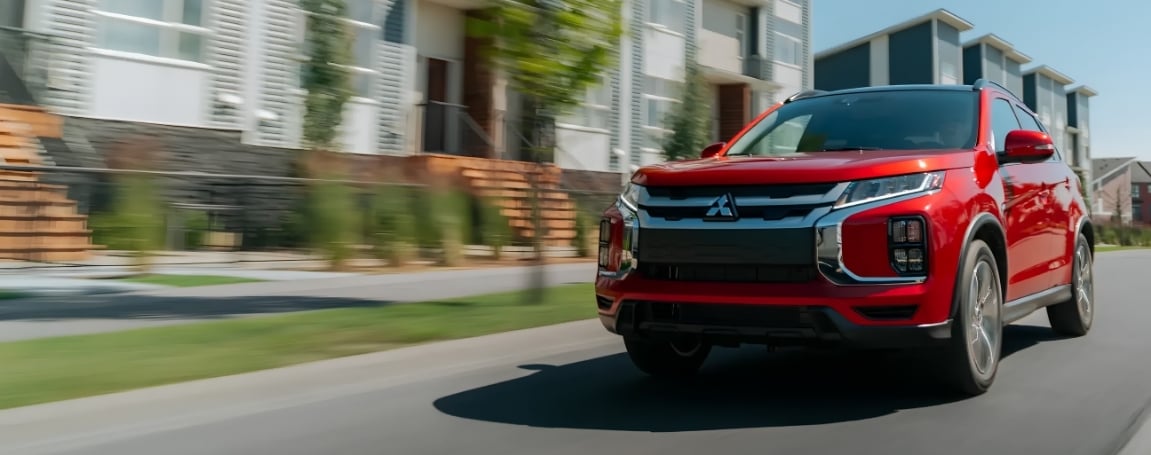
The 2026 Mitsubishi RVR ES is powered by a 2.0-litre four-cylinder engine that produces 148 horsepower and 145 lb-ft of torque. The 2026 Hyundai Venue Essential features a 1.6-litre four-cylinder engine delivering 121 horsepower and 113 lb-ft of torque. Fuel economy is competitive in both models. The Venue is rated at approximately 7.5 L/100 km combined, while the RVR achieves about 8.9 L/100 km combined. While the Hyundai offers slightly better efficiency, the Mitsubishi provides noticeably more power for merging, passing, and highway driving. Another advantage for Mitsubishi buyers is that higher RVR trims are available with a larger 2.4-litre MIVEC engine, giving drivers the option of additional performance while remaining within the same SUV lineup.For drivers across Prince Edward Island, the RVR offers a balanced combination of efficiency, capability, and flexibility that helps it feel more prepared for a wider variety of driving situations.
Cargo Space and Comfort

Both SUVs provide seating for five passengers and come standard with cloth seating surfaces designed for everyday comfort. The Hyundai Venue offers a practical interior that works well for city driving, while the Mitsubishi RVR provides a larger overall cabin that feels more spacious for both passengers and cargo. With the rear seats folded, the RVR offers up to 1,402 litres of cargo space. The Venue provides up to 903 litres. That additional space can make a real difference when carrying luggage, groceries, sports gear, or camping equipment. For drivers with active lifestyles or growing families, the RVR's larger cargo area adds flexibility that is appreciated throughout the year.
Technology and Features
Modern connectivity comes standard in both vehicles. The Mitsubishi RVR features an 8.0- inch Smartphone Link Display Audio system with Apple CarPlay, Android Auto, Bluetooth connectivity, and steering wheel-mounted controls. The Hyundai Venue also offers an 8.0-inch touchscreen with Apple CarPlay, Android Auto, Bluetooth connectivity, and a six-speaker audio system. Both SUVs include keyless entry, power door locks, and user-friendly controls. While the feature lists are similar, the RVR benefits from a larger SUV layout that creates a more open and comfortable environment for longer drives around Prince Edward Island. For drivers looking for practical technology without unnecessary complexity, both models perform well, though the RVR offers a more spacious overall experience.
Safety Features
The Hyundai Venue comes equipped with helpful driver assistance technologies such as Forward Collision Avoidance Assist, Lane Keeping Assist, and Driver Attention Warning. The Mitsubishi RVR offers Forward Collision Mitigation, Lane Departure Warning, and Automatic High Beam assistance. Both SUVs help support driver awareness, but the RVR lineup offers the added benefit of available All-Wheel Control on higher trims. This can be especially valuable during PEI winters and changing road conditions. That extra capability helps strengthen the RVR's appeal for Canadian drivers.
2026 Mitsubishi RVR vs 2026 Hyundai Venue at a Glance
| Feature | 2026 Mitsubishi RVR ES | 2026 Hyundai Venue Essential |
| Engine | 2.0-Litre | 1.6-litre |
| Horsepower | 148 horsepower | 121 horsepower |
| Torque | 145 lb-ft | 113 lb-ft |
| Fuel Economy (Combined) | 8.9 L/100 km | 7.5 L/100 km |
| Seating Capacity | 5 Passengers | 5 Passengers |
| Cargo Space (Seats Folded) | Up to 1,402 Litres | Up to 903 Litres |
| Touchscreen | 8 Inch | 8 Inch |
| Apple CarPlay & Android Auto | Standard | Standard |
| Available AWD | Yes (Higher Trims) | No |
The comparison shows that both SUVs offer excellent value and modern technology. The Venue stands out with slightly better fuel economy, while the RVR responds with more horsepower, more torque, greater cargo capacity, towing capability, and the availability of All Wheel Control. For many Canadian drivers, those advantages make the RVR the more versatile choice.
Why the Mitsubishi RVR Stands Out!
The 2026 Hyundai Venue is a practical and efficient compact SUV that fits well into urban life. However, the 2026 Mitsubishi RVR offers more of the qualities many Canadian drivers look for in an SUV. It provides stronger performance, more cargo room, towing capability, and a larger overall feel without sacrificing everyday practicality. For drivers across Charlottetown and Prince Edward Island, the RVR delivers a balanced combination of capability, comfort, and versatility that is well-suited to daily life and weekend adventures alike.
Experience the Mitsubishi RVR Difference at Charlottetown Mitsubishi
The best way to discover what makes the 2026 Mitsubishi RVR stand out is to experience it in person. Visit Charlottetown Mitsubishi in Charlottetown, PEI, and book a test drive today. Explore its spacious interior, confident performance, and everyday practicality for yourself and see why the RVR continues to be a popular choice among Canadian drivers.